
e
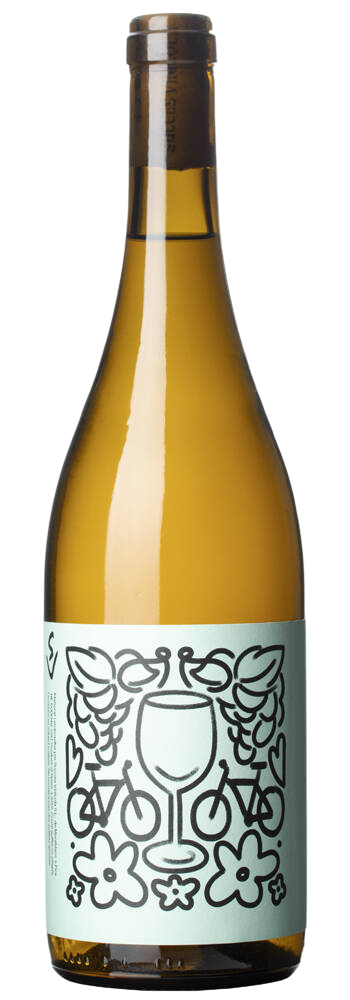
EXPERIÈNCIA
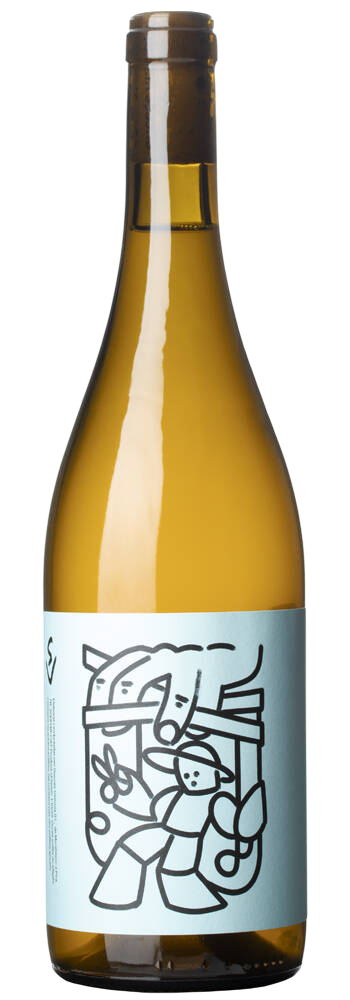
For both of us, the Experiència was the first white wine we made, so we decided to name the wine like “The experience”
It is a wine 100% from Parellada.
The 5 vineyards from which we obtain the grapes are planted in Barberà de la Conca and Cabra del Camp, between 450 and 600 metres above sea level. The vineyards are grown organically, respecting the environment where they are cultivated. They are old vineyards of traditional cultivation, planted about 45 years ago on average.
The harvest is usually carried out in the second week of September, the grapes are taken to the winery where they are placed in steel tanks, where they will ferment altogether with their skins for about 12 days. Fermentation and the entire brewing process is done without any additions and with the wild yeasts contained in the grapes themselves. Subsequently, the wine will undergo malolactic fermentation and will rest throughout the winter. This will help to precipitate the lees by natural decantation thanks to the cold winter temperatures. Already in spring, the wine will be bottled to begin a period of 8 months of aging.
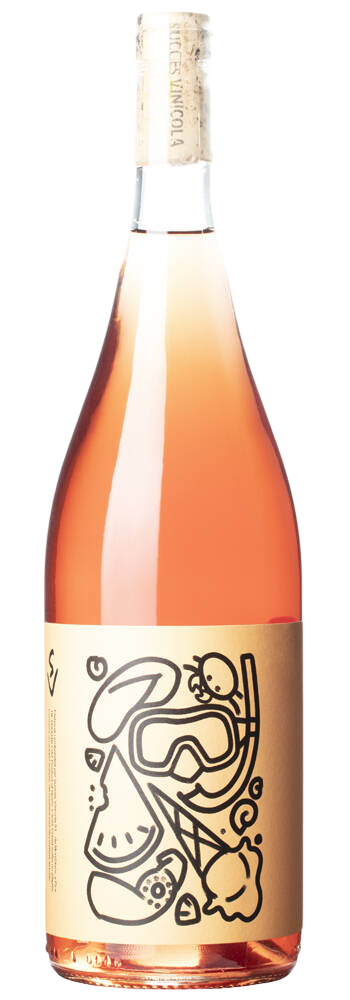
PATXANGA
Patxanga is called like this because this word conveys summer, friends and fun for us, and this reflects very well the character of our rosé wine.
It is a wine 100% from Trepat of old vines over 50 years old.
The Patxanga vineyards are planted in Barberà de la Conca at 480 metres of altitude in clay soils with a high lime content. The grapevines are grown organically, respecting the environment where they are cultivated.
The grapes are harvested and pressed to avoid any maceration with skins, then the must is placed in steel tanks, where it will ferment for about 25 days. Fermentation and the entire brewing process is done without any additions and with the wild yeasts contained in the grapes themselves. Subsequently, the wine will undergo malolactic fermentation and will rest throughout the winter. This will help to precipitate the lees by natural decantation thanks to the cold winter temperatures. It will already be in February when the wine will be bottled and labelled. Ready to enjoy it!
p
c
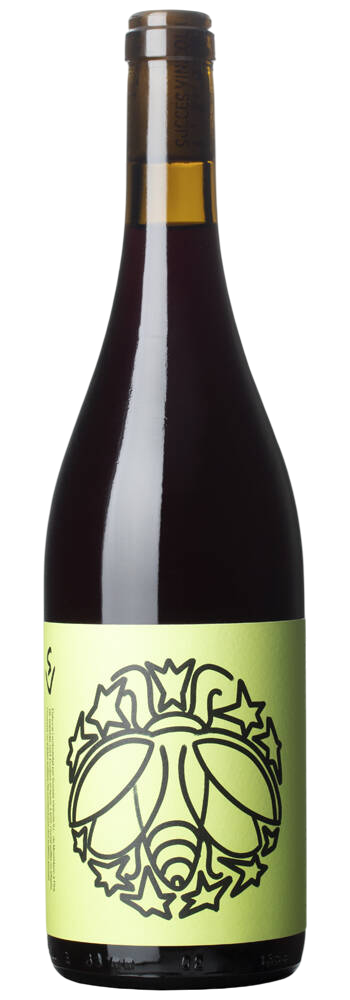
THE CUCA DE LLUM
Our black Trepat is called the Cuca de llum (firefly) since at the beginning of Succés Vinícola, we combined the work of our winery with the work in other wineries we have worked previously. This meant that sometimes we had to go and sample grapes in the vineyards at midnight, and we did it with a headlight. One of these times, in one of the farms of Trepat we found a firefly and we thought it was a very appropriate name for a black wine of Trepat.
It is a wine 100% of Trepat, from old vineyards of about 40 years old.
The vineyards are planted in Barberà de la Conca at 480 metres of altitude in clay soils with a high lime content. The grapevines are grown organically, respecting the environment where they are cultivated.
The grapes are harvested and macerated with the skins in steel tanks, where they will ferment for 25 days. Fermentation and the entire brewing process is done without any additions and with the wild yeasts contained in the grapes themselves. Then the wine will undergo malolactic fermentation and will rest all winter in fibre tanks in order to round off and achieve maximum expression. After a few months the wine will be bottled and labelled. Our reference Trepat.
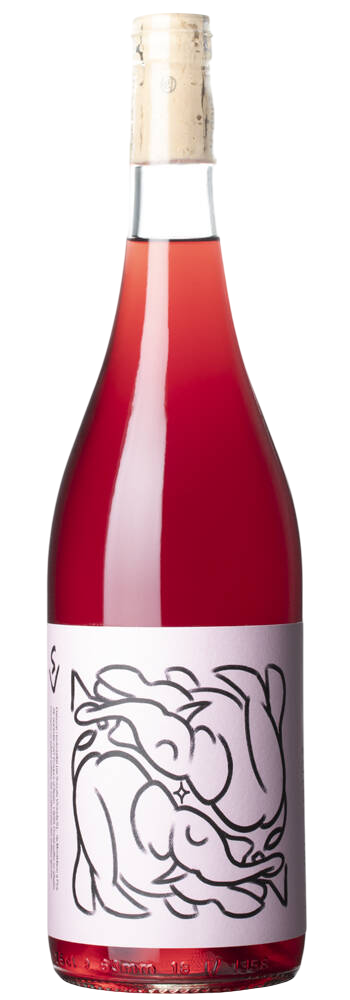
THE TROMPA
The Trompa is the most “glou-glou” wine we make, and its name come from the Catalan expression ‘anar trompa’, which means ‘to be tipsy’. It is a wine very easy to drink, suitable for any time.
It is a wine 100% made of Trepat, from a vineyard planted in 2018.
The vineyard of The Trompa, called “Les Ferrioles”, is planted in Barberà de la Conca on the border with Cabra del Camp, 550 metres above sea level in clay and sandy silts. The grapevine is grown organically and with the utmost respect for the environment.
The grapes are harvested and macerated for 2 days with the skins in steel tanks. On the second day of maceration, we press them and, when already pressed, they will ferment for 25 days. Fermentation and the entire brewing process is done without any additions and with the wild yeasts contained in the grapes themselves. Then the wine will undergo malolactic fermentation and will rest all winter in tanks where the cold of winter will cleanse it and prepare it for bottling in February.
t
P
THE PRAT
The Prat is the name of the Macabeo plot planted 55 years ago in Cabra del Camp. It is our most unique Macabeo vineyard. A 5-hectare vineyard from which we only vinify those parts of the grapevine we believe will express the full potential of Macabeu.
The wine is a 100% old vineyard Macabeo that we will macerate for 4 days with skins and turnips.
The vineyard is planted in clayey soil and it will be this clay and the strong influence of the marinade that will give the wine its character. A fresh and persistent Macabeo with certain salinity.
The grapes are harvested and macerated in a tank for 4 days, then pressed and then fermented for 25 days. Fermentation and the entire brewing process is done without any additions and with the wild yeasts contained in the grapes themselves. Then the wine will undergo malolactic fermentation and will rest all winter in tanks where the cold of winter will cleanse it and prepare it for bottling in February.
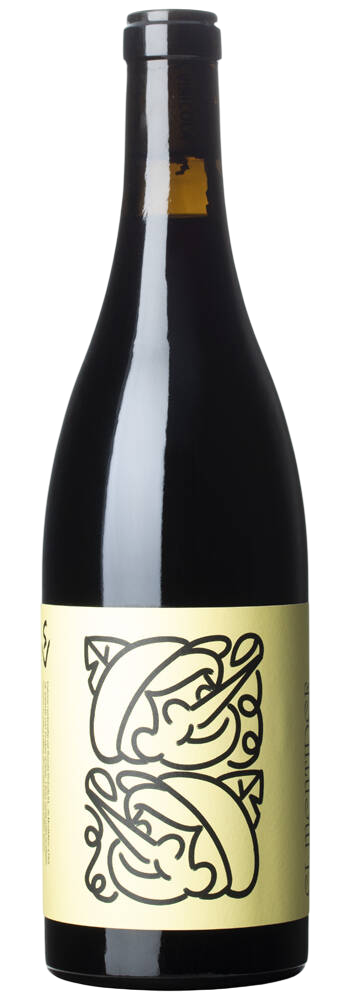
THE MERTINDER
The Mertider is the first 100% red wine made with Trepat that we vinified in 2011. To do this, we chose the best old grapevines in the family and some very old grapevines from some homemaker.
Once the wine was made, we saw that it had nothing to do with Trepat’s description on the internet. It is said that Trepat is a grape that does not have much potential to make red wines, and that is why we decided to call it that way.
It is a 100% Trepat from six very old vineyards over 80 years old.
The vineyards are planted in Barberà de la Conca, Solivella and Sarral, at an altitude of 480 metres on white and red clay soils with a high lime content. The grapevines are grown organically, respecting the environment where they are cultivated.
The grapes are harvested and macerated with the skins in steel tanks, where they will ferment for 25 days. Fermentation and the entire brewing process is done without any additions and with the wild yeasts contained in the grapes themselves. The wine will then undergo malolactic fermentation and be placed in 600-litre “bocois”, where the wine will rest and age for 10 months. Finally, the wine will be bottled and will continue aging for two more years until the day of labelling.
m
F
FEEDBACK
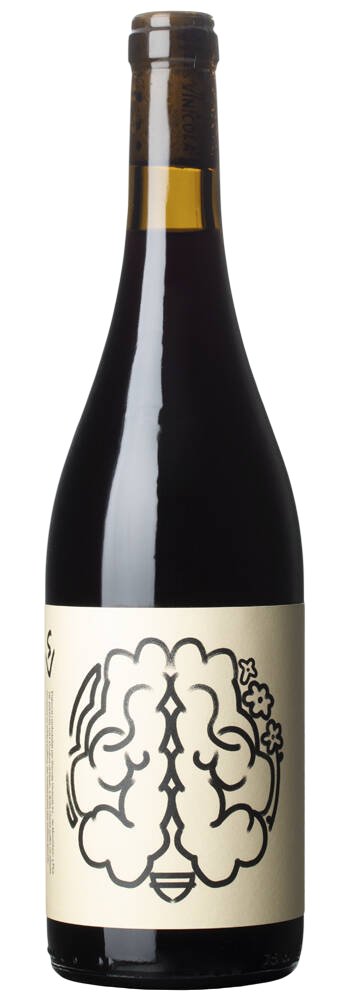
Feedback is our only blend wine. It is created with Cabernet Sauvignon, and this is where the name of the wine came from. Normally we always agree on how to make our wines and how to make decisions, but in the case of feedback this was not the case. This wine is the result of all the feedback among us.
It is 50% Trepat of old vineyard and 50% of Cabernet Sauvignon planted in calcareous soils at 700 meters high, in the early 90s. The grapevines are grown organically, respecting the environment where they are cultivated.
The grapes are harvested and macerated with the skins in steel tanks, where they will ferment for 25 days. Fermentation and the entire brewing process is done without any additions and with the wild yeasts contained in the grapes themselves. The wine will then undergo malolactic fermentation and be placed in 225-litre “bocois”, where the wine will rest and age for 14 months. Finally, the wine will be bottled and will continue aging for two more years until the day of labelling.
THE PEDREGAL
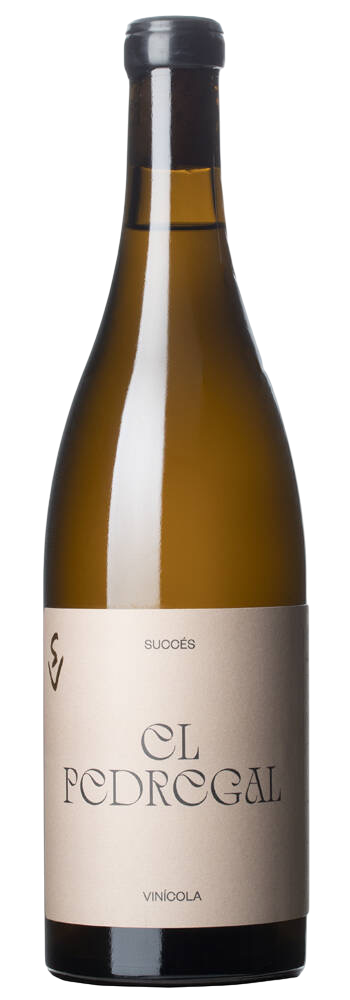
The Pedregal grapevine, which gives its name to this estate-grown wine, is planted in Cabra del Camp at an altitude of 640 metres. It is one of the oldest Parellada grapevines we work, planted in the 1950s.
The harvest takes place around the third week of September. The grapes are taken to the winery where they are destemmed and placed in the press. Only the free-run juice, that is, the juice we obtain before pressing, will be vinified as Pedregal. Doing so, we seek to enhance the minerality and subtlety of the grapevine. Fermentation and the entire brewing process is done without any additions and with the wild yeasts contained in the grapes themselves. After the alcoholic fermentation, the wine will undergo malolactic fermentation also in a stainless-steel tank. It rests over the winter, allowing the lees to settle naturally thanks to the cold temperatures. In the spring, the wine will be bottled to begin the aging process. This is where it will take complexity year after year. Only 800 bottles.
p
S
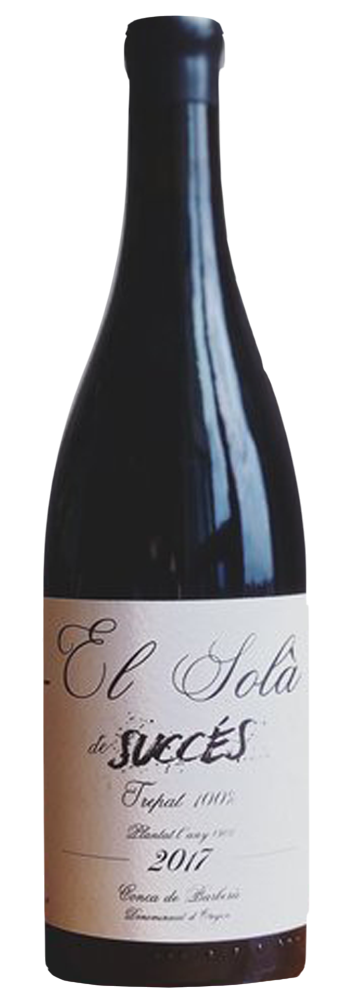
THE SOLÀ
The Solà is one of our estate-grown wines from Trepat plantation. It is a very old Trepat grapevine planted in 1900 in Sarral at the start of El Solà. It is our oldest vineyard and its distinguishing feature is that the vineyard was planted om a rootstock called “Rupestris de Lot”. It is a rootstock that made very vigorous plants and that used to produce a lot of grapes. It has been planted with this rootstock since 1900, when the phylloxera plague had just passed through Sarral and the farmers needed to recover productivity after that misfortune.
Currently, due to the age of the vineyard, we have well-balanced grapevines with low yields and grapes of intense and deep character.
The vineyard is located on a plain about 480 meters high in white clay soils and with a high content of lime carbonate. The grapevine is grown organically and with the utmost respect for the environment.
The grapes are harvested and macerated with the skins in steel tanks, where they will ferment for 25 days. Then it is pressed and placed in a hogshead called bocoi, as large as possible, always depending on how many litres are obtained. Production of between 500 and 800 bottles.
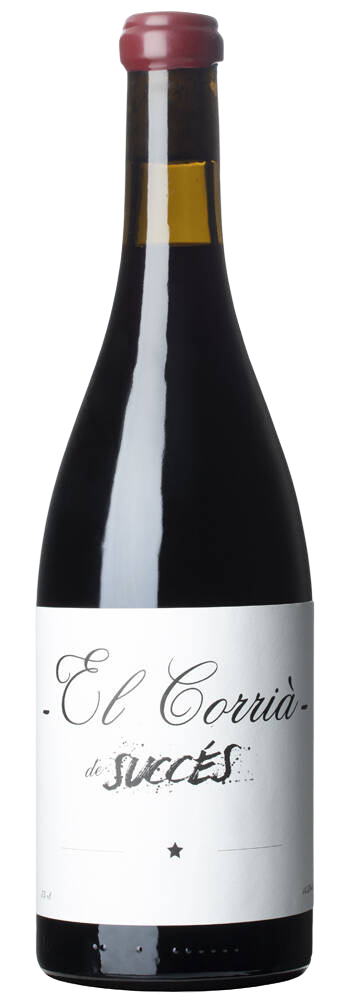
THE CORRIÀ
The Corrià is a wine from the Trepat plantation. The Corrià is one of the vineyard plots of Barberà de la Conca, and is undoubtedly our favorite plot to make Trepat. It is an area with very calcareous soils, as well as a high content of organic matter and very good water availability. This is why it is very easy to obtain the desired maturity and concentration in this area.
The Corrià vineyard was planted in 1936. We recovered it in 2017 after being abandoned for years.
In 2018 we made our first vintage of this estate-grown wine.
The grape is harvested and macerated with the whole grape in a steel tank, where it will ferment for 25 days. Afterwards, it is pressed and placed in the largest barrel available, always depending on the litres obtained in the vintage. A vineyard of 0.65 hectares that produces between 300 and 600 bottles.
C

F
FUMAT
This wine is obtained from the variety that gives the wine its name. It belongs to the “Les Perdudes” project in which we decided to vinify forgotten varieties of old vineyards planted in the Conca de Barberà.
The vineyard was planted in the 1960s in Cabra del Camp with clay soil.
We harvest the grapes at the end of September and ferment them whole, allowing maceration to take place for five days. Fermentation and the entire brewing process is done without any additions and with the wild yeasts contained in the grapes themselves. Then the wine will undergo malolactic fermentation and it will be after winter when we bottle it.
VALENCIANA
This wine is obtained from the variety that gives the wine its name. It belongs to the “Les Perdudes” project in which we decided to vinify forgotten varieties of old vineyards planted in the Conca de Barberà.
The vineyard was planted in the 1960s in Cabra del Camp with limestone soil.
The grapes are harvested at the end of September, destemmed and pressed to ferment in a stainless-steel tank. Fermentation and the entire brewing process is done without any additions and with the wild yeasts contained in the grapes themselves. Then the wine will undergo malolactic fermentation and it will be after winter when we bottle it.
